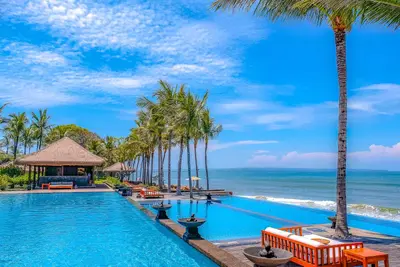
There is a moment in Bali that every traveler experiences, a quiet pause just after sunrise, when the island feels like it’s holding its breath. Mist rolls over emerald hills, roosters crow in distant villages, and the first aroma of roasted beans drifts from traditional kitchens. This is the Bali that locals know. Slow. Earthy. Rooted in centuries of tradition.
Beyond beaches and temples, Bali is an island shaped by agriculture. From the volcanic slopes of Kintamani to the misty highlands of Munduk, coffee has been part of the Balinese identity since the 18th century. Today, the island’s coffee plantations offer travelers a rare opportunity to step into living culture, to walk through fertile forests, meet farmers, discover heirloom varietals, and sip freshly brewed cups while overlooking majestic landscapes.
This guide explores 7 of the best coffee plantations in Bali for immersive tours, authentic tastings, and unforgettable scenic experiences. Each plantation is chosen for its storytelling, sensory richness, and cultural connection, allowing travelers to experience coffee not just as a drink, but as a window into Balinese life.
1. Kintamani Organic Coffee Farm: Bali’s Highland Gem
High on the volcanic plateau between Mount Batur and Mount Abang lies one of Bali’s most iconic coffee-growing regions: Kintamani. Here, at altitudes of 1,200–1,600 meters, the air is crisp, the soil is rich with minerals, and the landscape opens to sweeping views of caldera lakes and lava fields.
What Makes It Special
Kintamani coffee is famous for its natural citrus notes, a result of the area’s unique soil composition and the presence of orange trees grown alongside coffee plants. The farms follow a centuries-old Subak Abian system, a spiritual and ecological philosophy that governs communal farming.
The Experience
A tour begins with a gentle walk across terraces blanketed in morning dew. As guides explain the life cycle of the coffee plant, you can hear the soft rustle of leaves and distant village sounds. The tour often includes:
- Traditional coffee processing using hand-stone hulling
- Tasting sessions with Arabica, house blends, and citrus-infused brews
- A panoramic rest point overlooking Lake Batur
The aroma here is intoxicating, a mix of damp earth, roasted beans, and cool mountain air.
Why Travelers Love It
Kintamani farms offer a serene, high-altitude escape paired with some of the most distinctive coffee flavors in Indonesia. For many, it becomes a highlight of their Bali journey.
2. Munduk Moding Plantation: The Misty Coffee Forests of North Bali
In the mountains of North Bali, Munduk remains one of the island’s most naturally preserved regions. Towering trees, hidden waterfalls, and cool temperatures make it a dream location for coffee cultivation. Munduk Moding Plantation combines coffee heritage with scenic design, creating a luxurious yet environmentally conscious experience.
What Makes It Special
Munduk is one of Bali’s oldest coffee-producing areas, originally developed during the Dutch colonial era. The plantation preserves this heritage, maintaining both the traditional processing facilities and heirloom coffee trees.
The Experience
A guided walk through lush forests reveals:
- Coffee, cacao, and spice trees growing wild
- Observations of local farmers sun-drying and sorting beans
- A traditional roasting demonstration
- Complimentary tasting with mountain views
The air here feels softer, cooler, infused with the scent of cloves, coffee blossoms, and damp pine.
If you stay at the Munduk Moding Resort, sunrise coffee from the famous infinity pool overlooking a sea of clouds becomes an unforgettable memory.
Why Travelers Love It
Travelers appreciate the blend of nature, culture, and comfort. The plantation offers both education and visual drama, a perfect setting for photographers and nature lovers.
3. Bali Pulina Agro Tourism: A Scenic Playground for Coffee Lovers
Located in Tegallalang, just north of Ubud, Bali Pulina is one of the most well-known and accessible coffee agro-tourism sites. While popular, it remains one of the best-designed plantations for immersive learning.
What Makes It Special
Bali Pulina focuses on sustainable farming, offering visitors clear explanations of each step of coffee production, from picking and processing to roasting and brewing. Its hillside position provides dramatic views of valleys and rice terraces.
The Experience
A typical Bali Pulina visit includes:
- Guided plantation walk
- Traditional roasting demonstration over firewood
- A tasting flight of 8–12 coffees, teas, and herbal infusions
- Scenic seating overlooking forested ravines
The tasting pavilion is the star attraction, open-air, rustic, and enveloped by the sounds of birds and flowing water. It’s easy to spend an hour here simply absorbing the view.
Why Travelers Love It
It’s ideal for first-time visitors who want an easy, informative, and picturesque introduction to Bali’s coffee culture. For more ways to explore the area, consider a full-day journey through Ubud.
4. Satria Coffee Plantation: A Deep Dive into Balinese Herbal Brews
Located between Ubud and Kintamani, Satria Coffee Plantation blends coffee cultivation with traditional Balinese herbal knowledge. Beyond coffee, Satria showcases the island’s long history of crafting natural remedies using roots, leaves, and spices.
What Makes It Special
The plantation features a wide collection of plants used in Balinese cuisine and wellness traditions. While Arabica and Robusta are the main stars, the herbal teas often captivate visitors just as much.
The Experience
Expect a multilayered sensory journey:
- Walk through spice gardens filled with vanilla, cinnamon, turmeric, and lemongrass
- Learn about Bali’s traditional medicine (Usada)
- Try rich, smoky roasted coffee
- Sample herbal blends like red ginger tea, Bali cocoa drink, and lemongrass infusion
The setting is peaceful, shaded, and alive with the scent of warm spices.
Why Travelers Love It
Satria appeals to travelers who want a well-rounded tasting experience beyond coffee, ideal for wellness travelers, food enthusiasts, and families.
5. Wanagiri Coffee Plantation: Hidden Among Lakes and Forests
In the highlands above Bedugul, Wanagiri offers landscapes that feel almost otherworldly. Here, cool fog rolls in and out throughout the day, and the plantations sit between twin lakes bordered by dense forest.
What Makes It Special
Wanagiri is less commercialized than Ubud or Kintamani plantations. The area is known for producing smooth, full-bodied Arabica grown at high altitude, benefiting from the region’s cool climate.
The Experience
A visit often includes:
- Touring hillside plantations covered in mist
- Observing traditional drying methods
- Tasting coffee at a small wooden hut overlooking Lake Buyan or Lake Tamblingan
- Learning about eco-farming techniques used by the local community
The setting feels raw and untouched, perfect for travelers seeking a quieter, more intimate connection with nature.
Why Travelers Love It
Wanagiri offers immersive coffee culture without the crowds. It’s intimate, scenic, and deeply atmospheric. It's a perfect addition to any Bedugul bucket list.
6. Alam Sari Coffee Farm: Where Coffee Meets Balinese Village Life
Nestled near Gianyar, Alam Sari offers a cultural immersion that goes beyond coffee. This community-based plantation focuses on preserving traditional farming methods while supporting local families.
What Makes It Special
Visitors get to experience rural Balinese life up close. The plantation operates in collaboration with village farmers who practice organic, sustainable methods passed down through generations.
The Experience
A visit may include:
- Hands-on coffee picking (seasonal)
- Grinding and roasting beans using traditional tools
- Visiting village homes to see how coffee is consumed daily
- Learning about Subak Abian, Bali’s spiritual farming system
- Tasting robust, intensely aromatic local brews
Nearby rice fields and quiet village paths add to the sense of authenticity.
Why Travelers Love It
This is the plantation for travelers seeking cultural depth, a chance to slow down, meet locals, and understand coffee as part of community life, not just a product. To understand more about the local culture, you might be interested in the cultural origins of Balinese personal names.
7. Temen Village Coffee Plantation: A Rustic Journey Through Old Bali
Located along the route to Kintamani, Temen Village embraces a rustic, traditional charm. The plantation is surrounded by forest, small family farms, and lush tropical gardens.
What Makes It Special
Temen focuses on simple, local-style coffee production. You won’t find modern machinery here, only wooden roasting tools, hand-grinding stones, and sun-drying racks.
The Experience
Highlights include:
- Guided walk through forested plantations
- Demonstration of age-old roasting and grinding methods
- Tasting dark, smoky Balinese coffee
- Exploration of spice gardens with vanilla, clove, nutmeg, and cacao
It is the kind of place where time slows down. Birds chirp overhead, pathways wind through fragrant foliage, and every cup tastes like a piece of history.
Why Travelers Love It
Temen appeals to travelers looking for “the Bali before tourism”, simple, earthy, and deeply connected to the land.
Practical Tips for Visiting Coffee Plantations in Bali
Best Time to Visit
- Dry season (May–September): clearest views, ideal for walking
- Early morning: cooler temperatures and softer light
What to Bring
- Comfortable walking shoes
- Light jacket for highland regions
- Water
- Camera with wide-angle lens
- Cash for buying beans directly from farmers
How to Get Around
- Hiring a private driver offers flexibility
- Many plantations are reachable via scooter from Ubud or Kintamani
- Some offer guided tour packages including transport
Responsible Tourism Tips
- Support local farmers by purchasing their coffee
- Ask questions and engage with guides
- Avoid plantations that mistreat wildlife or use exploitative practices
Reflection & Closing
As you wander through Bali’s coffee plantations, something subtle shifts. The rhythm of the island changes. The noise fades, the pace slows, and you begin to notice details you might have missed before, the texture of volcanic soil under your shoes, the sweet fragrance of coffee blossoms, the gentle laughter of farmers working together in the fields.
These experiences reveal what makes Bali extraordinary. It is not only the beaches or monuments, but the quiet devotion of people who live in harmony with the land. Coffee farming here is more than an occupation; it is a tradition shaped by community, spirituality, and respect for nature.
By tasting Bali’s coffee at its source, travelers step into a world where time moves differently. Where every cup tells a story of mountains, forests, and generations of hands that cultivated them. As the day ends and the sun dips behind terraced hills, the light turns golden and the world feels suspended in calm.
In this moment, you realize that Bali is not simply a destination. It is a feeling, earthy, warm, and enduring. A reminder that beauty lives in the simplest moments, if only you take the time to pause.